
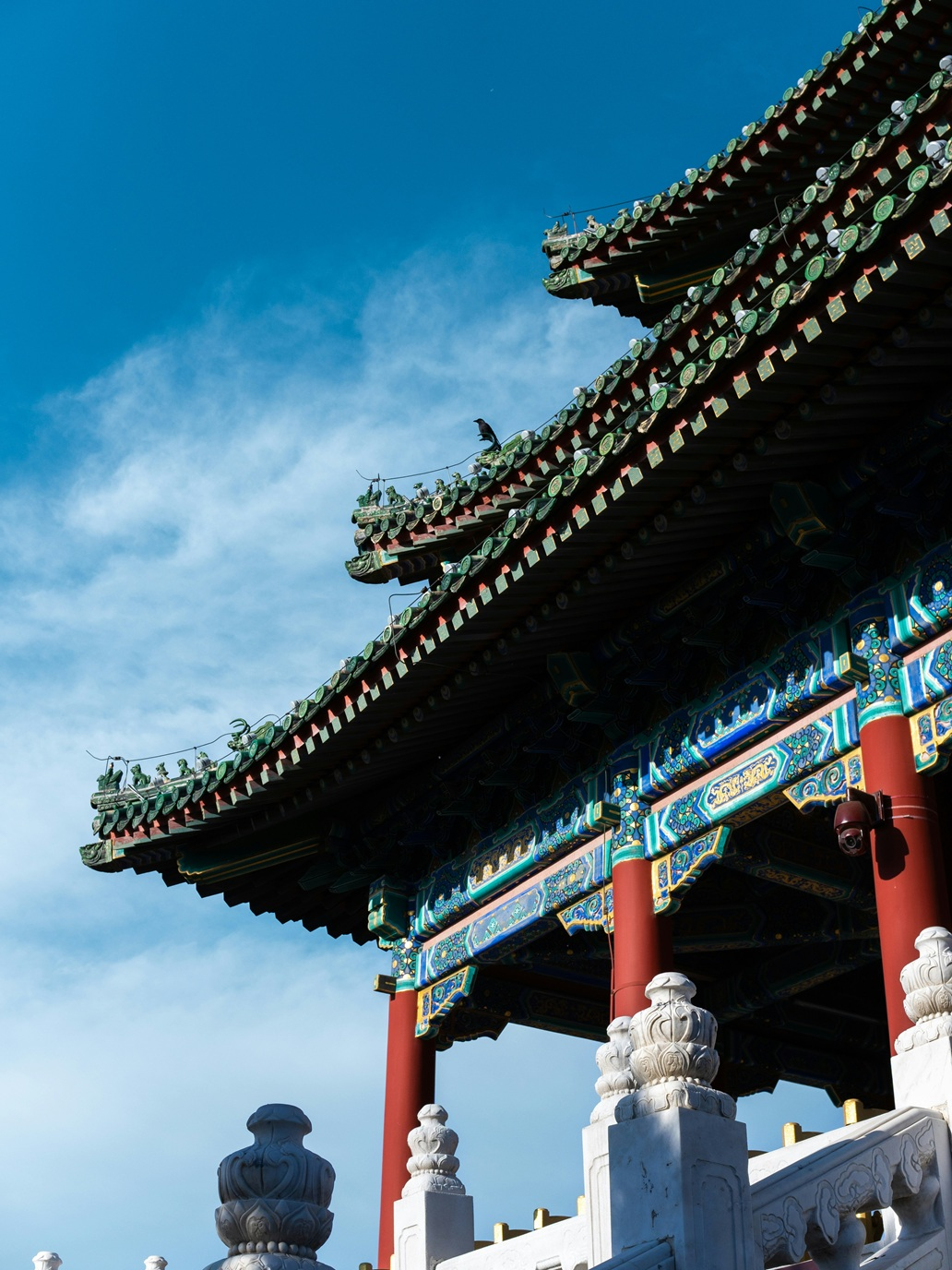
Just north of the Forbidden City lies a serene oasis offering some of the best views of Beijing’s historic center: Jingshan Park. Famous for its gently rolling hills, ancient pavilions, and stunning vistas, Jingshan Park provides visitors with both a natural retreat and a unique perspective on the city’s imperial past.
For travelers exploring Beijing, a visit to Jingshan Park is the perfect way to combine outdoor leisure with history and photography.
History of the Park
Jingshan Park, whose name means “Coal Hill,” is an artificial hill built during the Ming Dynasty using the soil excavated to create the moats of the Forbidden City. Its purpose was both practical and symbolic: the hill protects the northern entrance of the palace complex while providing an elevated vantage point for viewing the city and its surrounding landscape.
Over the centuries, the park has served as a private imperial garden, a site for ceremonies, and now a public space welcoming visitors from around the world.
Scenic Highlights
The park’s design emphasizes natural beauty, historical architecture, and cultural symbolism:
- Five pavilions along the ridge: Each pavilion offers a different perspective of the Forbidden City and the Beijing skyline, perfect for photography or quiet reflection.
- Lush gardens and ancient trees: Seasonal blossoms, centuries-old cypress and pine trees, and well-maintained paths create a peaceful walking experience.
- Coal Hill summit: The highest point in the park provides a panoramic view of the Forbidden City’s golden roofs, Tiananmen Square, and the sprawling city beyond.
Walking along the central ridge, visitors can see how carefully the park integrates nature and architecture, creating a sense of harmony typical of classical Chinese garden design.
Cultural Significance

Jingshan Park is not only a scenic viewpoint; it is steeped in imperial history. Emperors and court officials once used the hill to survey the palace grounds, and it played a role in various historical events. The park reflects the Ming and Qing dynasties’ attention to symbolism, with the northern hill providing a “protective backdrop” to the Forbidden City in accordance with feng shui principles.
Today, the park also hosts cultural performances, Tai Chi sessions, and community gatherings, continuing its legacy as a place of reflection and civic life.
Visiting Jingshan Park
Jingshan Park is an easy and rewarding stop for anyone exploring Beijing:
- Best time to visit: Early morning for a peaceful atmosphere, or late afternoon for sunset photography.
- Duration: 1–2 hours to explore the main ridge and gardens.
- Tips: Climb to the top for the most iconic views of the Forbidden City, and don’t forget a camera — the panoramic perspective is unmatched.
The park is conveniently located just north of the Imperial Garden, making it a natural extension of a Forbidden City visit.
A Living Vantage Point

Jingshan Park offers a rare combination of natural beauty, historical depth, and breathtaking views. Standing atop the central hill, visitors gain not only a photo-perfect perspective of Beijing’s historic core but also a deeper appreciation for the city’s imperial planning and architectural grandeur.
Whether you are seeking a quiet stroll, cultural insights, or the perfect panoramic photo, Jingshan Park provides a refreshing and unforgettable perspective on Beijing’s rich history.
